Hemlock Removal in Wilmington, DE
Hemlock removal services involve the safe and effective elimination of hemlock trees from residential properties. These projects typically address concerns such as tree health, safety hazards, or landscape management, and may include removing damaged, diseased, or unwanted hemlocks to improve the overall appearance and safety of a property. Homeowners should consider factors like the size and location of the trees, potential impact on surrounding structures or landscape features, and any local regulations or restrictions before requesting removal services.
Property owners often want to understand the scope of the removal process, including the methods used and how the site will be restored afterward. It’s also common to inquire about the reasons for removal, such as disease, safety risks, or aesthetic preferences, and to seek guidance on whether removal is the most suitable option for their specific situation. Clear communication about these aspects can help ensure the project aligns with the property’s needs and expectations.
Many property owners in Wilmington, DE look into Hemlock Removal for repairs, replacements, upgrades, and appearance-related improvements.
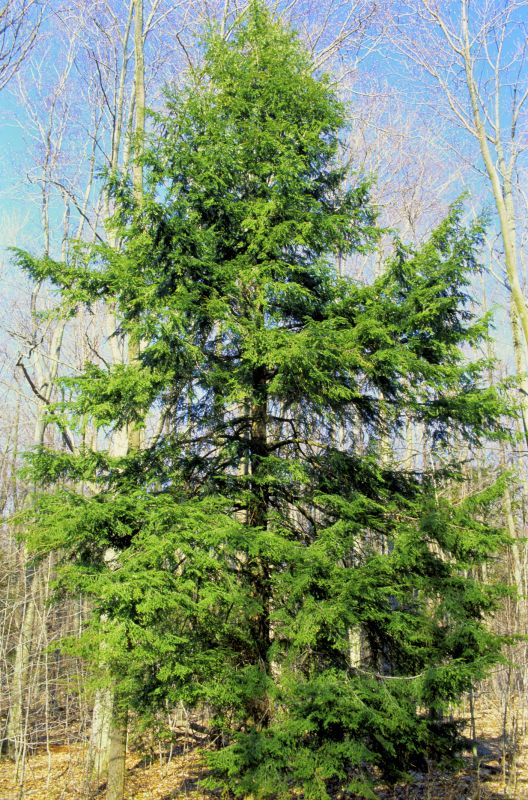
Hemlock Tree Removal Options
Removing hazardous or unwanted hemlock trees can improve safety and aesthetics on your property.
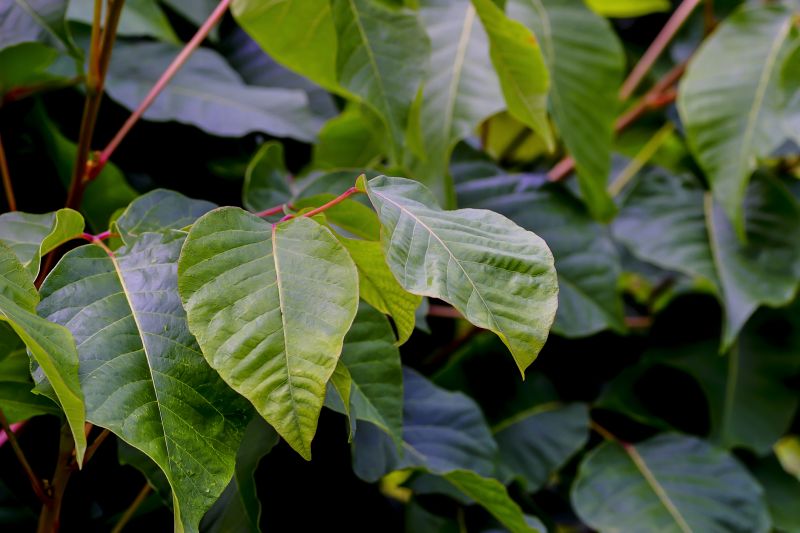
Signs You Need Hemlock Removal
Indicators like disease, damage, or overgrowth may signal the need for professional hemlock removal.
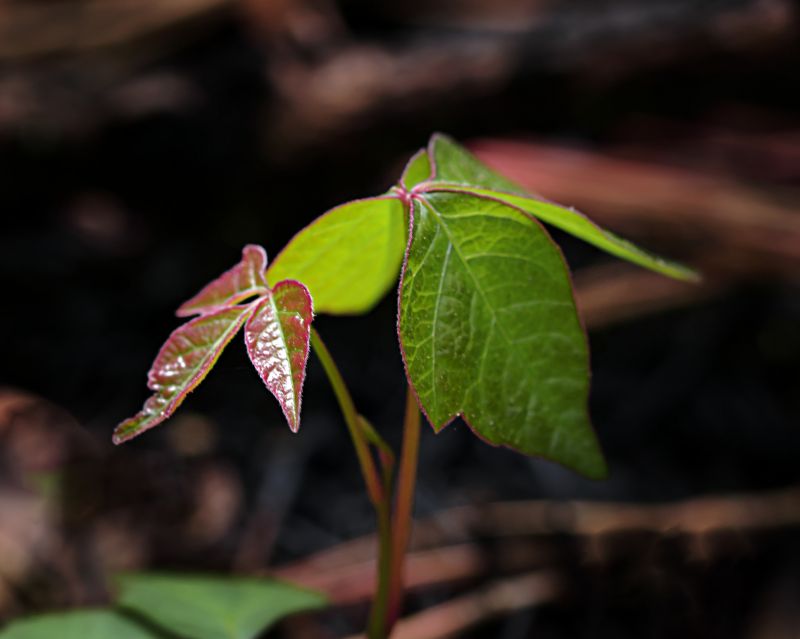
Benefits Of Hemlock Removal
Removing hemlocks can enhance landscape health, prevent property damage, and increase outdoor space usability.
Hemlock Removal in Wilmington, DE

Hemlock removal services involve the safe and effective elimination of hemlock trees from residential properties. These projects typically address concerns such as tree health, safety hazards, or landscape management, and may include removing damaged, diseased, or unwanted hemlocks to improve the overall appearance and safety of a property. Homeowners should consider factors like the size and location of the trees, potential impact on surrounding structures or landscape features, and any local regulations or restrictions before requesting removal services.
Property owners often want to understand the scope of the removal process, including the methods used and how the site will be restored afterward. It’s also common to inquire about the reasons for removal, such as disease, safety risks, or aesthetic preferences, and to seek guidance on whether removal is the most suitable option for their specific situation. Clear communication about these aspects can help ensure the project aligns with the property’s needs and expectations.
Many property owners in Wilmington, DE look into Hemlock Removal for repairs, replacements, upgrades, and appearance-related improvements.
Common Hemlock Removal Jobs
Hemlock removal - safely eliminates invasive hemlock trees to protect landscape health.
Tree pruning - improves the structure and safety of remaining hemlocks after removal.
Stump grinding - removes tree stumps to prevent regrowth and enhance yard appearance.
Invasive species control - targets hemlocks that threaten native plant communities.
Property clearing - prepares land for landscaping or development by removing unwanted hemlocks.
Tree health assessment - evaluates the condition of hemlocks to determine the need for removal.
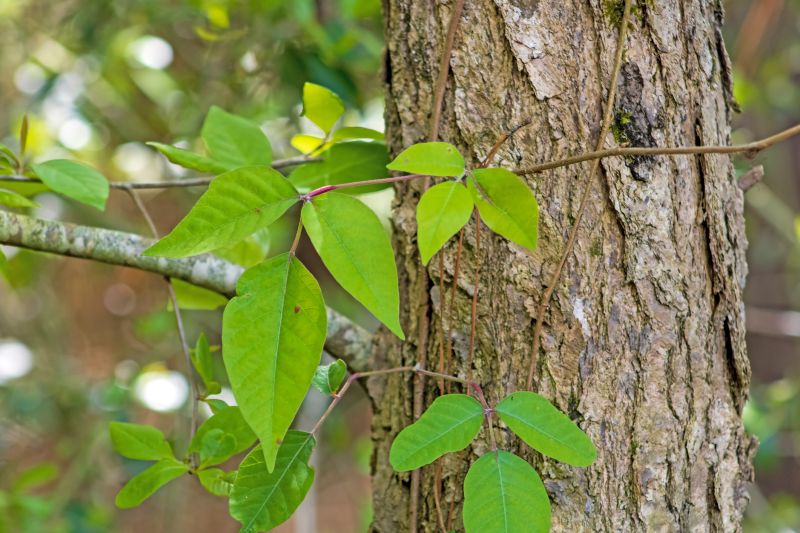
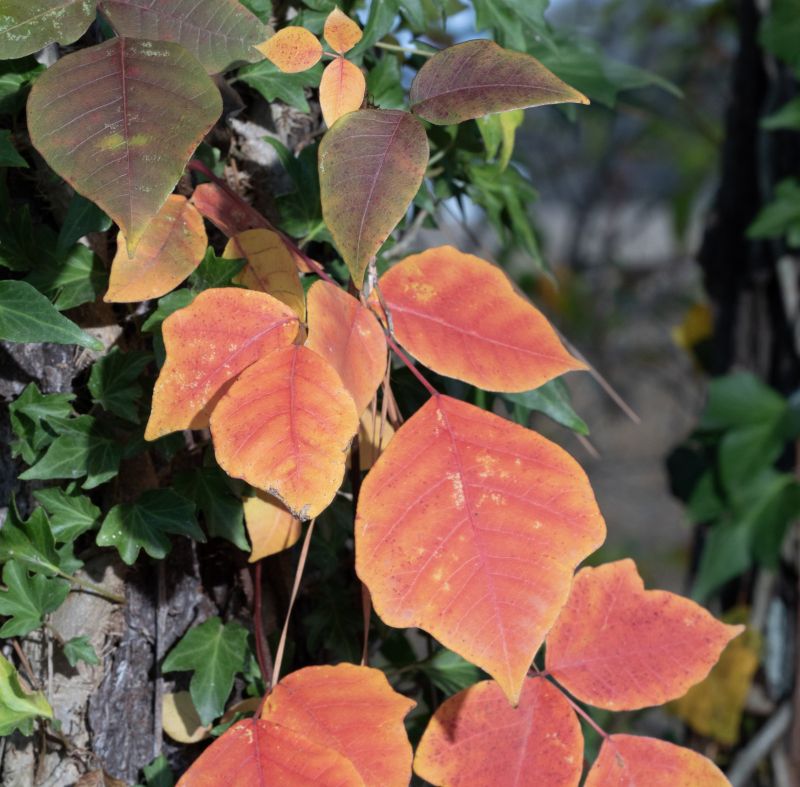
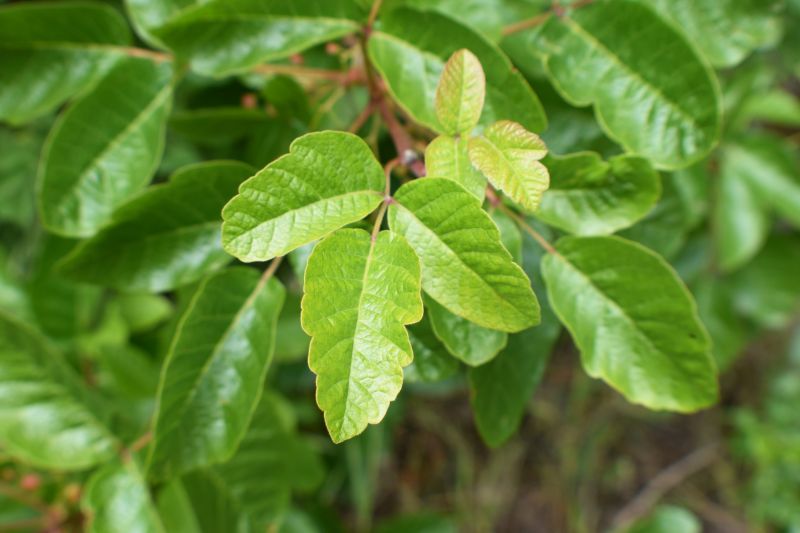
Hemlock Removal Questions
Why should Hemlock trees be removed? Hemlock trees may be removed to prevent disease spread, reduce safety hazards, or improve landscape aesthetics.
What signs indicate a Hemlock tree needs removal? Signs include extensive dieback, pest infestation, or structural instability.
Is Hemlock removal necessary for safety? Removal can eliminate risks posed by falling branches or compromised trees, enhancing property safety.
What types of projects involve Hemlock removal? Common projects include clearing dead or hazardous trees, creating space for new landscaping, or managing invasive growth.
Request Hemlock Removal in Wilmington, DE
Use the quote form on this page to share the basics of your project and request more information for the type of work you need.